
Pool service in Phoenix and Scottsdale, AZ.
Phoenix and Scottsdale have the highest pool density per capita in the US. Roughly one in three single-family homes in the metro has a pool, year-round swim weather means routes run 52 weeks per year, and the operator economics are some of the strongest in the country. The flip side: hard water, heavy calcium load, brutal summer chemistry demand, and a labor market where pool techs are constantly being recruited by competing operators. This is the operator market guide to Phoenix for 2026.
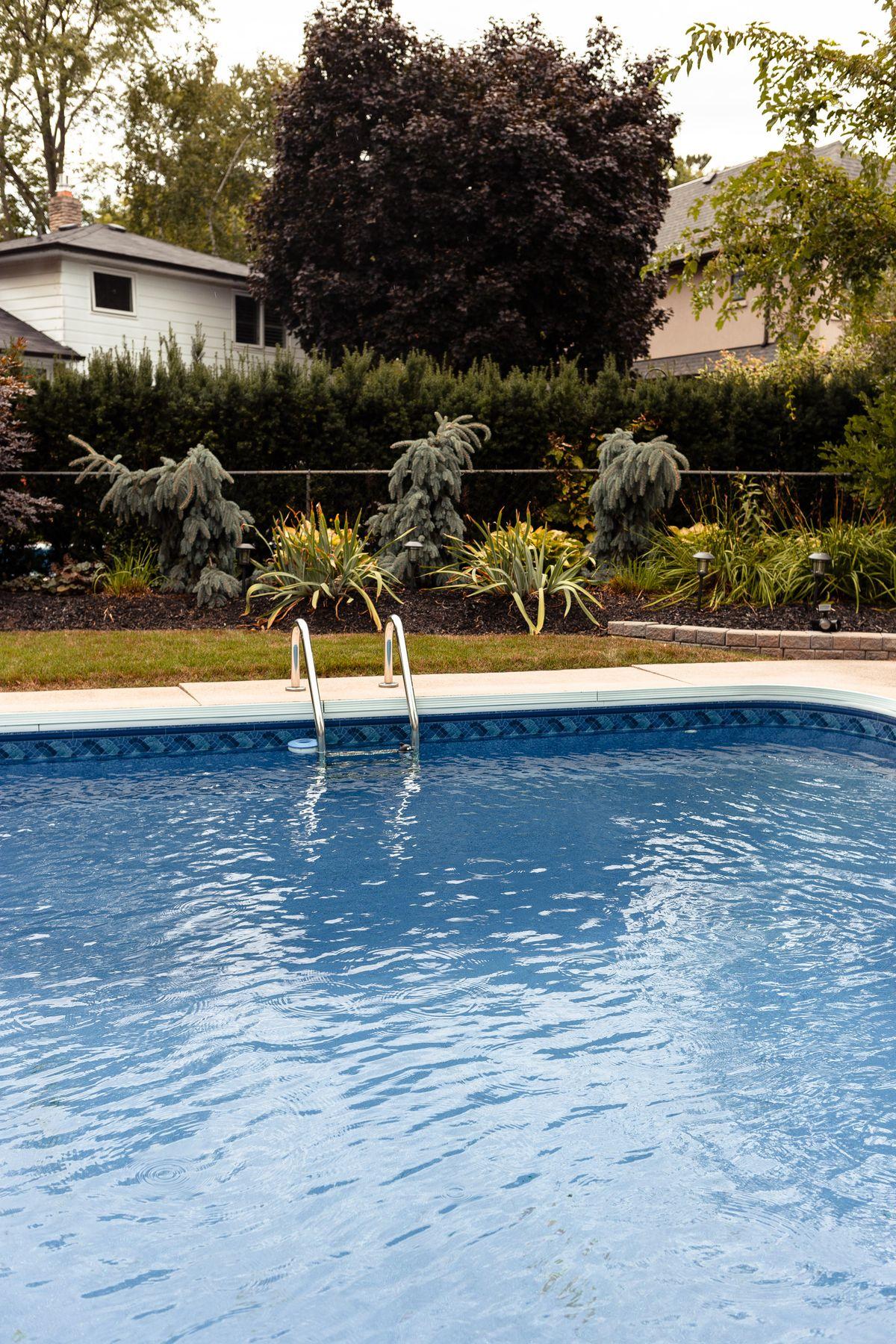
Pool count
400,000+ residential pools in metro Phoenix
Season
Year round (52 weeks)
Avg monthly service
$175 to $265
Climate note
Extreme heat May to September drives chemistry demand and chlorine consumption to 2 to 3x national norms
Pricing
What pool service costs in Phoenix and Scottsdale
Chemicals included
$175 to $265 per month
per pool / month
Chemicals separate
$135 to $185 per month plus chemicals
per pool / month
Per visit
$55 to $85 per visit
one off service
- Phoenix sits at the top of the national pricing band because of year-round demand and hard-water chemistry complexity
- Salt pools price 10 to 15% higher than chlorine ($195 to $295 monthly)
- Premium Scottsdale and Paradise Valley estates often price $300 to $450 monthly with full chemistry pass through
- Multi-pool properties (estates, commercial) negotiate 5 to 10% off the per-pool rate at volume
Wages
Pool tech wages in Arizona
Entry level
$20 to $26
per hour
Experienced
$28 to $36
per hour
Annual median
$55,000
full time tech
- Phoenix pays 8 to 12% above national pool tech median because of year-round route availability and labor tightness
- Lead techs running commercial accounts: $36 to $48 hourly or $70K to $90K salaried
- Wage inflation has run 6 to 8% annually for 3 years; build into customer pricing or compress margin
Licensing
Arizona pool service licensing
Arizona Registrar of Contractors CR-6 (Swimming Pool / Spa / Fountain)
Required for any swimming pool service work over $1,000 (handyman exemption applies under that)
- CR-6 license: pass the trade exam, post a $7,500 bond, $580 application fee
- Most residential maintenance falls under the handyman exemption ($1,000 limit); equipment repairs and installs above that threshold require CR-6
- CPO certification is not legally required for residential, but is required by health code for commercial pools
Operator playbook
Operating in Phoenix and Scottsdale
Opportunities
- High pool density means tight routes are achievable; 14 to 18 stops per tech-day is realistic
- HOA contracts at 200+ unit complexes pay $400 to $800 per month per pool with multi-year terms
- Hotel and resort market in Scottsdale supports premium commercial accounts at $1,000 to $2,500 per month per pool
- Acid wash and calcium scale removal are recurring upsells (every 4 to 6 years per pool)
Challenges
- Hard water (calcium hardness from the tap is often 500 to 700 ppm); partial drains every 18 to 30 months are part of chemistry maintenance
- Summer chlorine consumption is 2 to 3x national norms; chemicals separate billing protects margin
- Labor market is tight; competing operators recruit each other constantly. Pay 10 to 15% above local median to retain
- Monsoon season July through September creates green pool callbacks; staff up for it
Property mix
What you actually service in Phoenix and Scottsdale
Residential
Dominant (75 to 85% of route)
HOA / community
Strong second (heavy condo/community pool concentration in north Phoenix and Scottsdale)
Hotel / resort
Concentrated in Scottsdale and downtown Phoenix; high commercial value
Apartment / multi-family
Growing with downtown Phoenix multi-family build-out
Commercial / corporate
Solid; corporate campus pools and fitness centers across the valley
Run a pool service business in Phoenix?
Pooly is built only for pool service operators. Native payments, AI routing, and chemistry tracking. Talk to the founders directly.
Pricing calculator
Plug in your costs and pool count, get a recommended price
Commercial bid calculator
Build a defensible HOA / hotel / apartment bid
Pool route valuation guide
What your route is worth + how to push the multiple
Market data sourced from public state licensing boards, BLS wage statistics, and operator-reported pricing. Updated 2026.